Guides
Livestream creator startup costs: add up the launch need, then pick funding
Add up gear, software, legal setup and runway into one launch figure for a livestream creator business, then match it to a funding route.
What to take away
- The launch need is one sumgear, software and platform fees, legal and tax setup, and a living draw for every month before the first sponsor payment clears.
- A new midrange setup often costs $900 to $1,800; a phone-only start can run $150 to $300.
- Runway is the bucket that kills channels, not the camera. For a small channel, the first sponsor payment often takes 3 to 12 months.
- Funding routes are savings, an SBA microloan up to $50,000, a business card at 20% to 29% APR, pre-sold sponsor slots, and revenue-based financing of $5,000 to $250,000.
- Net 90 from campaign end can mean four months between the stream and the deposit, so hold a reserve equal to at least one month of committed cost.
- Sponsorship income arrives on a 1099-NEC, so plan for self-employment tax from the first paid stream.
Add up the launch need before you buy anything
Startup cost is not one number. It is four buckets, and each one has a decision attached: capture gear, software and platform fees, legal and tax setup, and runway.
Four Startup Cost Buckets
- Capture and stream gear
- Software and platform fees
- Legal and tax setup
- Runway until first sponsor check
Write your own figures into these variables and the arithmetic does the rest.
- Gear total
G- Software and platform fees per month
S- Legal, filing, and accounting
L- Monthly living draw
D- Months until first sponsor payment clears
M
Total launch need = G + L + (S + D) × M.
Example: G $1,200, S $50, L $500, D $2,500, M 6. That gives $1,200 + $500 + ($50 + $2,500) × 6 = $17,000. A phone-only start with G $200, S $0, L $100, D $1,500, M 4 totals $6,300.
If that number is larger than your savings plus a signed sponsor deal, you are not underfunded on paper. You are underfunded. A one-page business plan turns the same variables into a cash calendar.
Gear is the bucket most creators overbuy
Gear is the bucket most creators overbuy first, because gear is visible and a sponsor is not. A new midrange setup often costs $900 to $1,800, and a phone-only start can run $150 to $300.
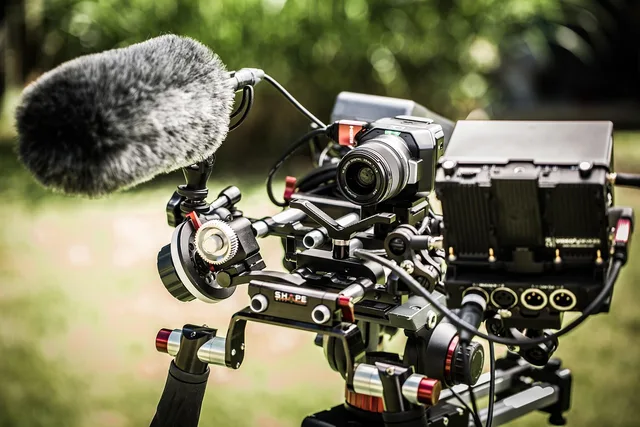
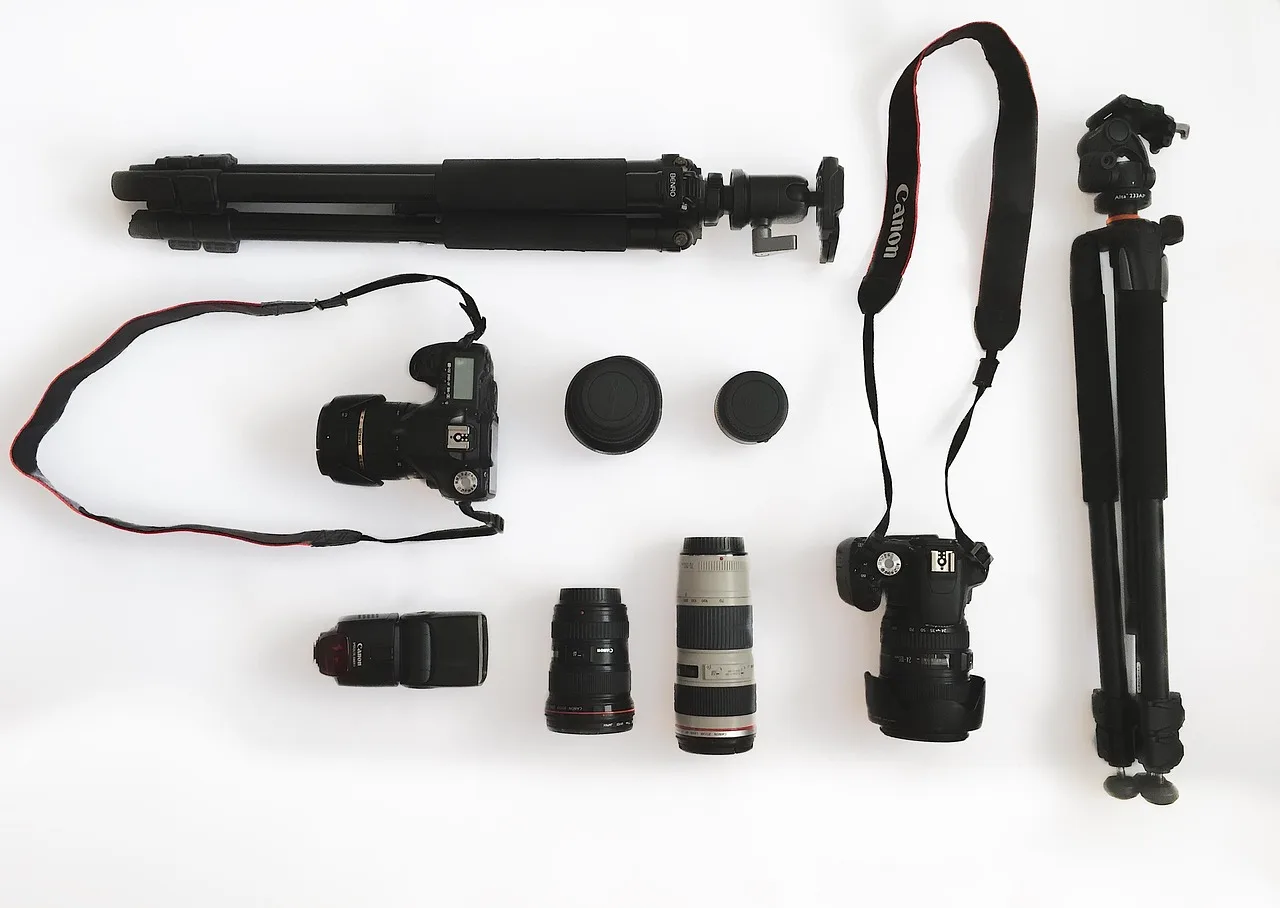
Capture and stream gear means a camera or phone, a microphone, lighting, a capture card, and a computer that can encode without dropping frames. Named midrange picks as of 2026:
- $60Logitech C920 webcam
- $249Shure MV7 microphone
- $129Elgato Key Light Air
- 4KElgato Cam Link: $129
- $149Elgato Stream Deck MK.2
- $599Apple Mac mini M2
Prices move, so confirm each one with the seller before you commit, and keep the total inside the G figure you wrote down.
Every dollar in G is a dollar that cannot cover a month of D. If the runway is short, start with the phone-only setup and upgrade after the first sponsor payment clears, so the camera never costs you the months you need to wait.
Software, platform cuts and payout timing
OBS Studio is free, and Streamlabs paid tiers often run $15 to $30 per month, or $150 to $300 per year. Compare software options before you pay, and put the monthly total in the S line.
Your platform takes its cut, and that cut is published in the platform's own terms. Twitch standard subscriptions split 50/50, Bits pay the streamer $1.00 per 100 Bits, and ads pay streamers 55%. YouTube pays 70% on memberships and Super Chat, and 55% on long-form ads. TikTok Live pays about 50% of gift value.
Platform Payout Terms
Twitch
- Revenue shared
- Subs, bits, ads
- Check before commit
- Payout threshold, pay day
YouTube
- Revenue shared
- Memberships, Super Chat, ads
- Check before commit
- Monetization eligibility, threshold
TikTok Live
- Revenue shared
- Gifts, some ad programs
- Check before commit
- Regional availability, payout schedule
Every platform takes a percentage, and the percentage is not the whole story. Payout timing matters more than the rate when your rent is due. The platform fees and payout rules go deeper on each one.
Revenue it shares
- Twitch
- Subscriptions, bits, ads
- YouTube
- Memberships, Super Chat, ads
- TikTok Live
- Gifts, some ad programs
What to check before you commit
- Twitch
- 50/50 sub split standard; $100 payout threshold; pays around the 15th of the month
- YouTube
- 70% memberships and Super Chat, 55% long-form ads; $100 AdSense threshold; 1,000 subs plus 4,000 watch hours in 12 months or 10M Shorts views in 90 days
- TikTok Live
- About 50% of gift value; $10 payout minimum; 1,000 followers and age 18+
Read the current terms on each platform's own site. Rates change, and a rate you read in a blog post is not the rate you agreed to. Twitch Partner Plus pays 60% on subscriptions up to $100,000, then 70%. YouTube Shorts ads pay 45%. TikTok payout timing varies by region.
Legal and tax setup
Legal and tax setup means entity registration, a business bank account, and a bookkeeping habit. The IRS starting a business page walks through structure, tax ID, and recordkeeping. An EIN is free.
LLC filing fees typically run $50 to $500. California adds an $800 annual minimum franchise tax. Business bank accounts from Mercury or Bluevine are free, while traditional banks often charge $0 to $25 per month. QuickBooks Simple Start costs about $30 per month as of 2026.
Sponsorship income arrives on a 1099-NEC, so plan for self-employment tax from the first paid stream and keep the paperwork current from the first invoice. Put the filing and accounting total in the L line, and ask a CPA what to reserve.
Roles a small channel actually needs
A one-person channel runs every role at once, and each role costs hours or money. When sponsor money arrives, each role needs a name, so decide now which ones you will pay for.
The minimal breakdown is creator, editor or clip cutter, community moderator, and a bookkeeping or admin owner. A small channel can run with one person holding all four, but write down who owns each one. Undefined ownership is where sponsor deadlines get missed.
Add a legal or contract reviewer when a deal runs longer than a single stream. Add a technical producer only when a second platform or a second stream per week makes the setup fail.
Runway is the bucket that kills channels
Runway is the stretch between spending on gear and the first sponsor check clearing. It kills channels, not the camera. For a small channel, the first sponsor payment often takes 3 to 12 months.
A monthly living draw typically runs $1,500 to $5,000, and that is the D in the launch sum. Multiply it by the months you expect to wait, and the runway can become the largest line of the total.
Cash timing matters as much as the total. Net 90 counted from campaign end can mean four months between the stream and the deposit. Hold a reserve equal to at least one month of committed cost.
A sponsor can cancel mid-campaign, a payment can arrive late, and a platform payout can be delayed past its usual date. The reserve covers the gap until the next deal. Keep the contract's kill and payment clauses where you can find them.
Once the channel is live, profit margins and break-even points show whether it covers the costs you just added up.
Funding routes, by name
- Personal savings.Cheapest money, no paperwork, no repayment schedule. Cap it at an amount you can lose without changing your housing.
- SBA microloans.SBA microloans go up to $50,000. Lenders want a business plan and often a personal guarantee.
- Business credit cards.Fast, and expensive if you carry a balance. Average APR on small business cards runs 20% to 29% as of 2026. Some offer 0% intro periods for 12 to 21 months. Know the rate before you swipe.
- Pre-sold sponsor slots.Sell two or three streams before you buy the gear. A small channel can often sell a sponsored segment for $500 to $5,000. This is the only route where the customer funds the launch.
- Revenue-based financing.A funder takes a percentage of monthly revenue until a cap is hit. Advances commonly run $5,000 to $250,000, with factor rates around 1.1 to 1.5 and repayments of 5% to 20% of monthly revenue. Read the cap and the term.
Pick the route by what it costs if the plan slips. Savings cost the money, a card costs interest, a loan wants a personal guarantee, and a pre-sold slot costs a delivered stream.
Where sponsor buyers come from is covered in sponsor platforms by type. A typical small-channel launch is a phone or webcam, free OBS, and one pre-sold sponsored segment.
Test the launch need against each route
Run the two worked examples against the funding routes before you apply for anything. The $17,000 midrange example and the $6,300 phone-only example need different answers, because the runway inside each is different.
The phone-only start is small enough to fund from savings, if you can lose that amount without changing your housing. The midrange start sits well under the $50,000 microloan ceiling, but the lender will still want a business plan and often a personal guarantee.
A business card can cover a short gap, such as a late payment, but a card balance at 20% to 29% APR adds interest to a sum that already includes months of waiting. A pre-sold slot is the cleanest fit for the gear line, because the sponsor's money arrives before the purchase.
Revenue-based financing needs revenue to take a share of, so it suits a channel that already earns, not one still waiting on its first check. Whatever you choose, write the repayment into D as a monthly cost, so the launch sum stays honest.
Common questions
What does a livestream creator business actually cost to start?
A midrange setup often costs $900 to $1,800 before legal fees and runway. LLC filing runs $50 to $500, and California adds $800 a year. Monthly software and platform costs run $0 to $50.
Most of the launch number is the runway: $1,500 to $5,000 a month until sponsor payments clear. Use the variables above with your own figures rather than a benchmark from someone else's channel.
How do livestream creators fund the launch?
Savings, an SBA-backed loan, a business card, pre-sold sponsor slots, or revenue-based financing. SBA microloans reach $50,000, cards carry 20% to 29% APR, and revenue-based advances run $5,000 to $250,000. Pre-selling sponsor slots is the only route where the money arrives before the expense.
How long should the runway be?
For a small channel, the first sponsor payment often takes 3 to 12 months. Multiply your monthly living draw by the months you expect to wait, then add a reserve equal to at least one month of committed cost.
Which startup cost do creators overbuy?
Gear. It is visible, and a sponsor is not. Write the gear total in the launch sum first, then decide how much runway it leaves you.